

Have you ever heard of leptospirosis? It’s quite a mouthful of a word. If you have a dog or know people with dogs, you may have already come across this big word. But what does it actually mean? Petable will help you shed light on the subject.
Leptospirosis is an infectious disease, caused by a bacteria of the genus Leptospira. It’s a zoonotic disease, which means it’s an animal infectious disease that can be transmitted to humans. Besides being terribly dangerous for humans, this disease is potentially FATAL to dogs.
In most places, rats and mice are the main source of the disease. Once infected, rodents don’t show any clinical signs, being thus called reservoirs of the disease. The bacteria multiplies in the kidneys and is excreted through the urine, sometimes during the whole of the reservoir’s life.
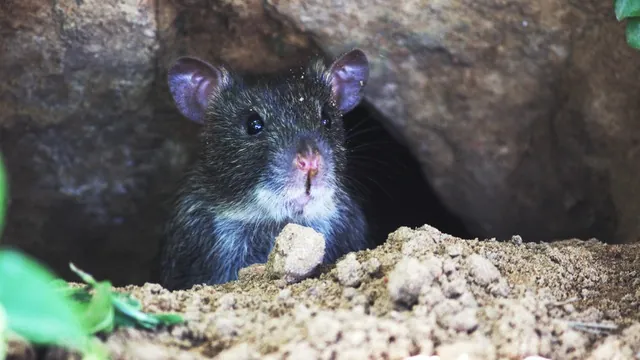
Even if you’re thinking: “my dog would never go near a mouse”, just think how easy it is for them to come in contact with rodent urine in your surroundings, maybe near still waters or contaminated food sources – any of these can act as a potential origin of infection. Even moreso, another contaminated pet could live in your neighborhood and you know how frequently male dogs like to sniff places where others have urinated – so this too, could be a potential risk. Human infection is generally an occupational hazard or linked to certain water-based activities and human-to-human transmission is rare.
Infection is especially prevalent on warm, rainy days which makes it a seasonal disease, more common in tropical or temperate climates.
What are the signs?
There are several symptoms and they vary among different pets. Some may have no symptoms at all, others may show moderate symptoms like loss of appetite and inactivity, but some pets will have very severe forms of disease showing signs of fever, vomit, diarrhea, red eyes, abdominal pain and hemorrhages (the poor things!).
Most frequently, the kidneys are severely affected and sometimes the liver as well. Second to that, signs might arise from gastroenteritis, anemia and coagulation deficiencies.
It’s crucial to be alert and informed as a pet owner, for the onset of disease is sudden, it evolves very quickly and early diagnosis is essential for a positive outcome. In doubt, always contact your veterinarian to clarify any doubts.
Treatment
When it comes to treatment, most cases require hospitalisation, including fluid therapy, antibiotics, coagulation treatment and some cases may require blood transfusions or dialysis.
Besides really expensive treatment costs, Leptospirosis is a threat to be reckoned with because it has a very high mortality rate (sometimes in spite of all the treatment efforts) and even when the pet survives, the possibility of terrible aftermath effects on a pet’s health. Prevention is key. Because no pet carer willingly wishes their dog to fall sick with this terrible illness, vaccination is crucial. Pet vaccines against leptospirosis are increasingly more comprehensive in terms of protection (including protection against several forms of the bacteria) and we’re all the better for them. We can also help prevent the spread of leptospirosis by quickly identifying and treating infected pets, controlling rodent populations and avoiding still waters on our daily walks.
Talk to your veterinarian about a preventive vaccination scheme that includes Leptospirosis protection or follow Petable’s health plan suggestions on the app to be reminded about vaccination at the appropriate age in your pup’s life. #bePetable
Author: Inês Domingos, DVM